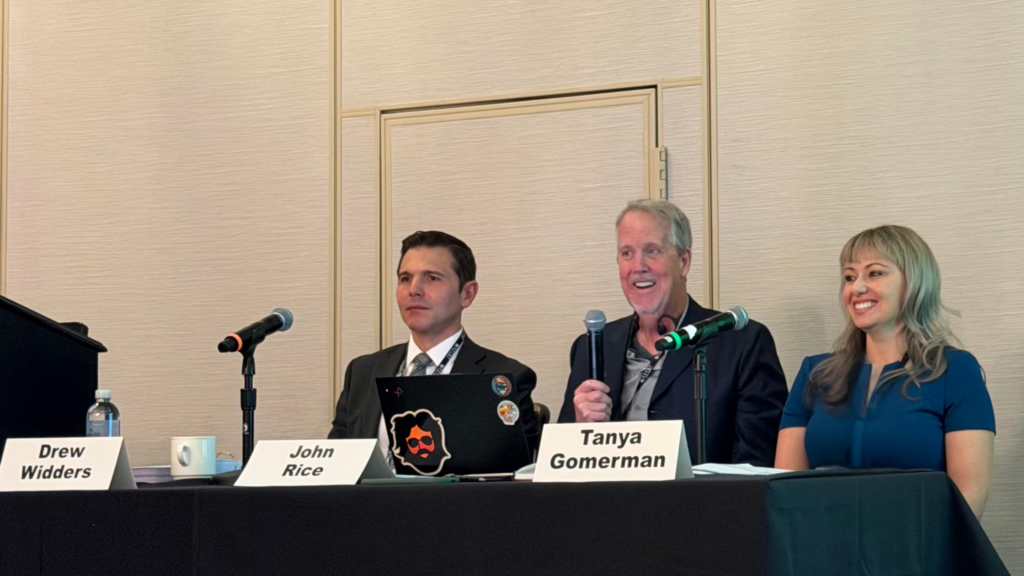
When a personal injury case settles, it can feel like everything is finished, but there is still an important step that can affect what someone actually receives. That step is lien resolution, a key part of many personal injury cases that involves addressing medical bills and insurance claims that must be paid from a settlement.
Tanya Gomerman recently spoke on this topic as part of a panel at the Napa Sonoma Travel Seminar, hosted by the Consumer Attorneys of California (CAOC ) and the Capitol City Trial Lawyers Association (CCTLA). Alongside fellow trial attorneys John Rice and Drew Widders, she shared insight on how this part of the process is handled in practice.
For many clients, a settlement can feel like a turning point. At the same time, there are still financial obligations that need to be reviewed and resolved before funds are distributed.
Medical providers, health insurance plans, and government programs like Medicare may need to be reimbursed for treatment related to an injury. How those claims are handled can affect how much a client is able to keep.
As Tanya explains:
“Our responsibility to clients doesn’t end when a settlement is reached. Medical bills, insurance reimbursements, and lien claims still need to be resolved, and how that’s handled can directly affect what a client takes home.”
Resolving these claims often involves negotiation and careful review of what is being charged.
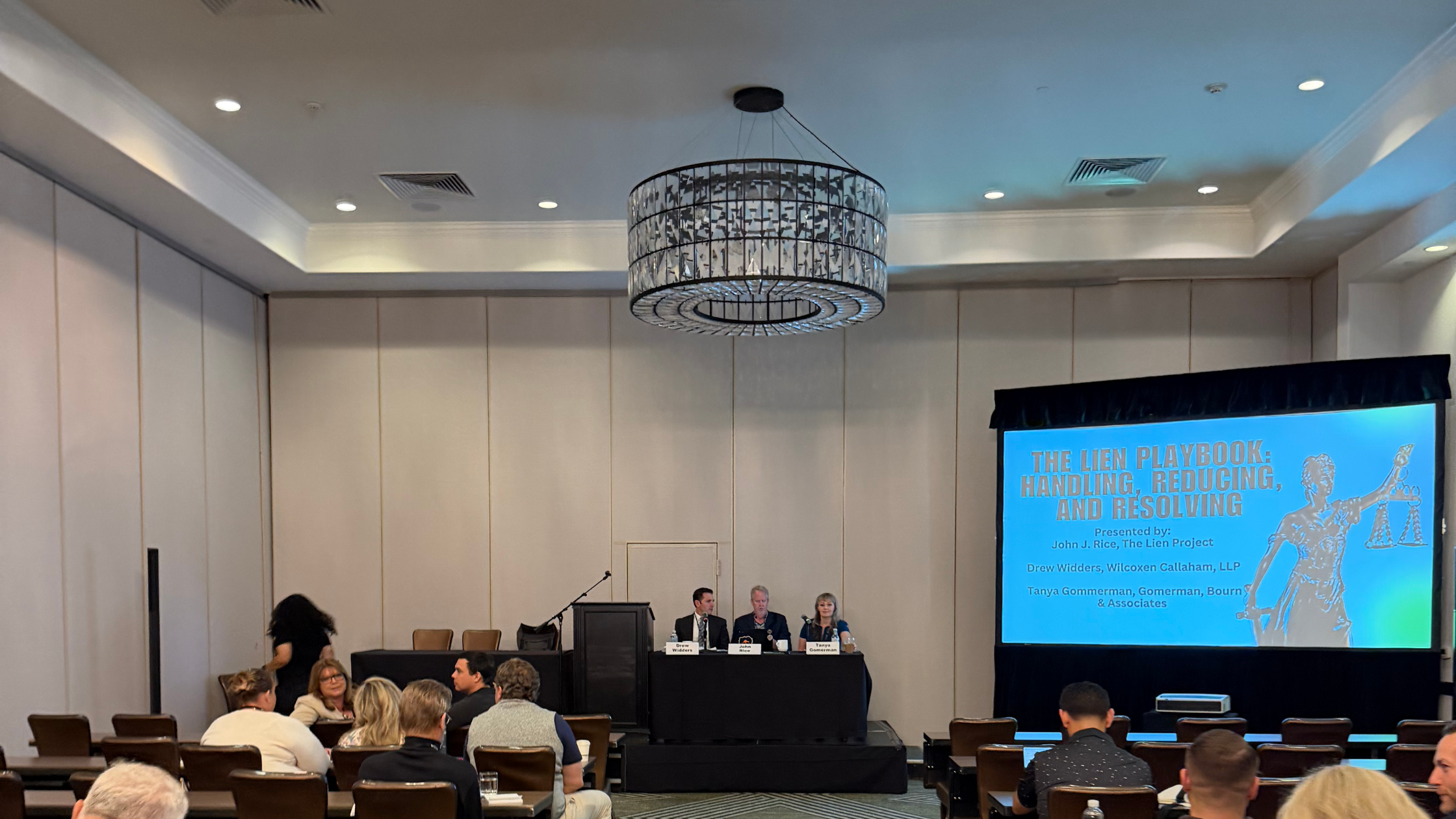
Tanya Gomerman speaking on lien resolution at CAOC CCTLA Napa Sonoma Travel Seminar panel.
Panels like this create space for attorneys to exchange ideas and stay current on the challenges that arise in real cases across California. This ongoing engagement helps ensure cases are handled with care, not just through settlement, but through the final steps that follow.
While lien resolution may not be the most visible part of a case, it plays an important role in how everything is ultimately finalized.